
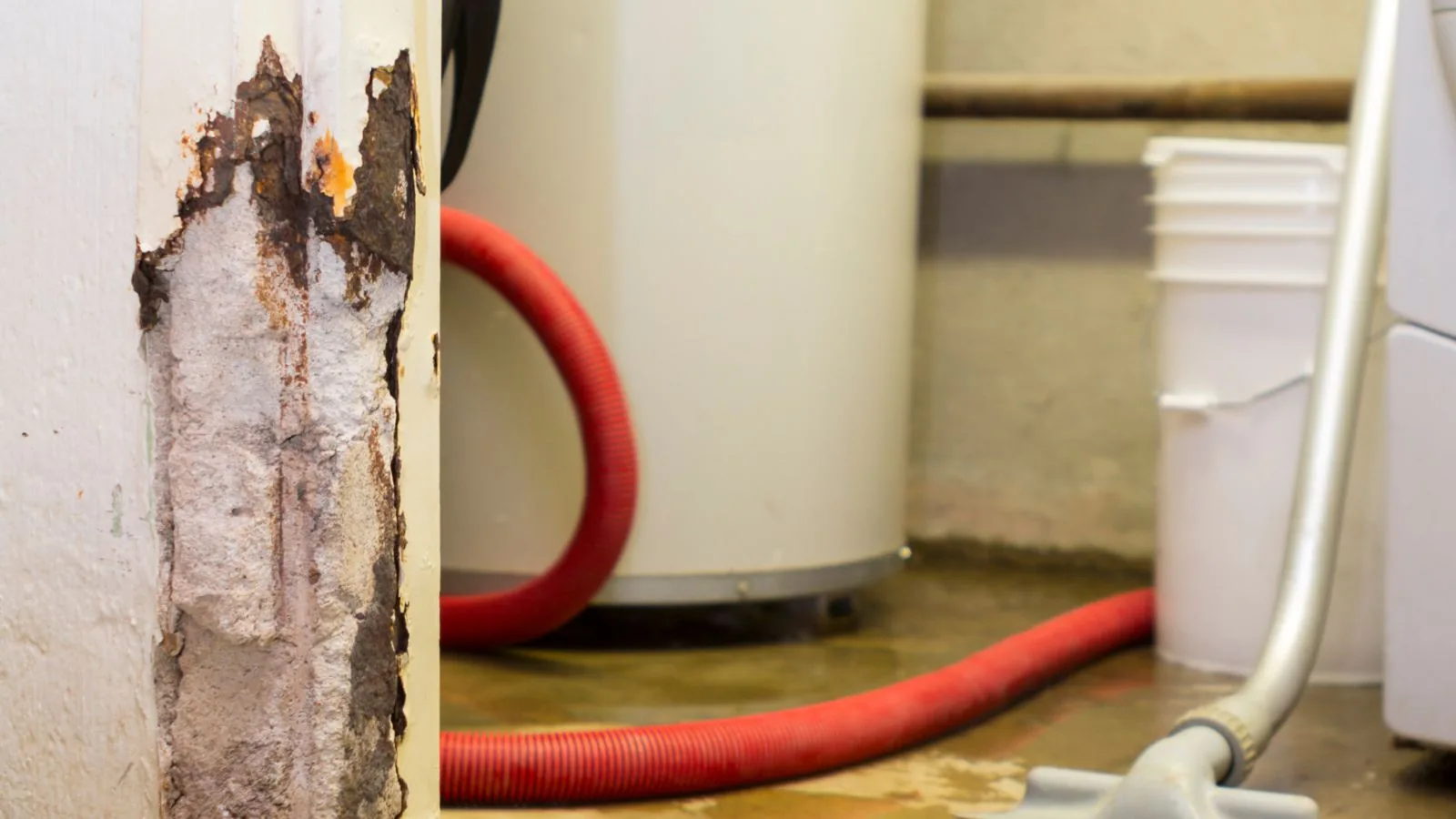
Standing water in a Benicia home is an emergency because every hour it sits, it moves further into drywall, subfloors, insulation and furniture. Water extraction is the removal of that water with submersible pumps, wet vacuums and truck-mounted or portable extraction units, so drying can begin. The phone line is answered 24/7.
This page covers getting the water out. If the water came from rising ground water or a creek, the flood side is covered on the flood damage cleanup page, and the drying that follows extraction is explained under structural drying and dehumidification.
When standing water is an emergency
Water on a floor is urgent in three situations. It is still rising or running, it sits over carpet or an insulated floor, or it has reached an outlet, a power strip or an appliance. In any of those cases, treat it as an emergency and call right away, at any hour.
While the crew is being lined up, shut off the water at the main valve if the source is a supply line and the valve is dry and reachable. Turn off power to the wet area only if the panel is dry and you can reach it without stepping in water. If you cannot, stay out and call the utility or 911 first. Lift valuables, papers and electronics off the floor, and keep children and pets out of the room.
Electrical safety comes before cleanup
Never walk through standing water near a live outlet, panel or extension cord. If the water touches electrical equipment or you smell gas, leave the area and call 911 or your gas or electric utility before you call the restoration line.
How water extraction actually works
The crew starts by finding where the water is deepest and where it has gone under baseboards, into wall cavities and beneath cabinets. Deep water goes first, with submersible pumps moving it to a drain or outdoors. What remains is lifted with wet vacuums and weighted extraction wands that pull water out of carpet and pad.
Extraction is not drying. After the visible water is gone, a floor can still hold a surprising amount inside the pad, the subfloor and the bottom of the walls. That is why the work continues with moisture readings and air movers. A moisture meter, and sometimes a thermal camera, shows where damp material remains so the drying plan covers it.
| Situation | What extraction looks like | What decides the next step |
|---|---|---|
| Ankle-deep water from a laundry room or bathroom overflow | Pumps and wet vacuums, then carpet pad removal if it was soaked | Source of the water and how long it stood |
| A few inches across a finished basement floor | Submersible pump, then extraction wand on flooring | Whether the water was clean, gray or contaminated |
| A thin film over tile or laminate | Wet vacuum and squeegee, then moisture readings under the flooring | Whether water reached the edges and baseboards |
| Water wet for several days | Extraction plus removal of materials that will not dry cleanly | Moisture readings and material type |
What a Benicia location changes about the job
Benicia sits on the north shore of the Carquinez Strait at a low elevation of roughly 26 feet. A city climate vulnerability report covered in the Benicia Herald singled out the Benicia Marina for flooding history and poor drainage. It also said East Second Street at East B Street and East Fifth Street already flood. That matters for extraction because water outside a building has to go somewhere. If nearby drains are full, pumped water can drift back toward the structure.
A good crew checks where the discharge hose will run before the pump starts. That is a small point, but it keeps extracted water away from your foundation and your neighbor. If you are not sure where water can safely be sent, ask the crew or the city public works department before the pump runs.
Water categories change the plan
Not all standing water is equal. Clean supply water from a broken line is treated differently from gray water from an appliance, and both differ from contaminated water from a sewer backup. The industry standard, ANSI/IICRC S500, describes these categories, and it is fair to ask any company whether its crews work to it. Contaminated water means protective gear and removal of porous materials, and household fans or a shop vacuum are not a safe substitute.
If you suspect sewage, skip to the sewage backup cleanup page before you touch anything.
What shapes the cost of water extraction
There is no honest flat price for extraction, because jobs differ. These are the factors that set the scope, and the crew explains scope and price before work starts.
- Water category, which decides protective gear and what must be removed
- How much floor area and depth the water covers
- Materials soaked, such as carpet pad, laminate, hardwood or insulation
- How long the water stood before extraction began
- Whether drying equipment and repair follow extraction
Want your real number? Call (833) 521-1033 and describe what you see.
Insurance and extraction
Sudden and accidental water damage is often covered by homeowners policies, while gradual leaks and neglect often are not, and flood damage is usually excluded and needs separate flood coverage. Check your policy or ask your insurer, because wording differs. Photos of the water before extraction, the date and time, and the moisture readings all help document the loss.
The standing water on your floor is not the only thing to photograph. Include the source, any damaged belongings and the walls where the waterline sits. A written scope from the crew helps your insurer understand what was done.
Where the same line works
The 24/7 line serves Benicia, ZIP 94510, and the neighboring city of Vallejo, plus nearby Solano County towns. If extraction is only the first step and walls are wet too, wall and drywall water damage repair explains what comes next.
Common questions
Do you handle water extraction emergencies at night or on weekends in Benicia?
Yes. The phone line is open 24/7, so a call at 2 a.m. or on a holiday weekend is handled the same way as a weekday call. Tell the person who answers where the water is, how deep it looks and whether the source is stopped, and describe what you can see. No arrival time is promised on the phone, but the crew plan starts with that call.
How long can water sit before it causes lasting damage?
There is no single safe window, because it depends on the water category, the materials and the temperature. Carpet pad and drywall take on water fast, and wet materials that stay wet create conditions for mold. The practical answer is to start extraction as early as possible and ask the crew to take moisture readings.
Can I use a shop vacuum myself?
For a small spill of clean water on a hard floor, a wet vacuum can help. For deeper water, soaked carpet or anything that may be contaminated, it is not enough, and a shop vacuum should never be used near standing water around electrical equipment. When in doubt, stop and call.
Do you pump out yards, pools or driveways?
No. This service is for water inside homes and buildings. Pumping a yard, a pool or an outdoor drainage problem is a different kind of work, and a drainage or pool contractor is the right call.
Will extraction alone fix the damage?
Usually not. Extraction removes standing water, and then drying, moisture checks and sometimes removal of soaked materials follow. Skipping drying leaves moisture in the structure.
Water on the floor right now?
The line is open 24 hours a day. Call and describe what you see.
☎ Call (833) 521-1033