
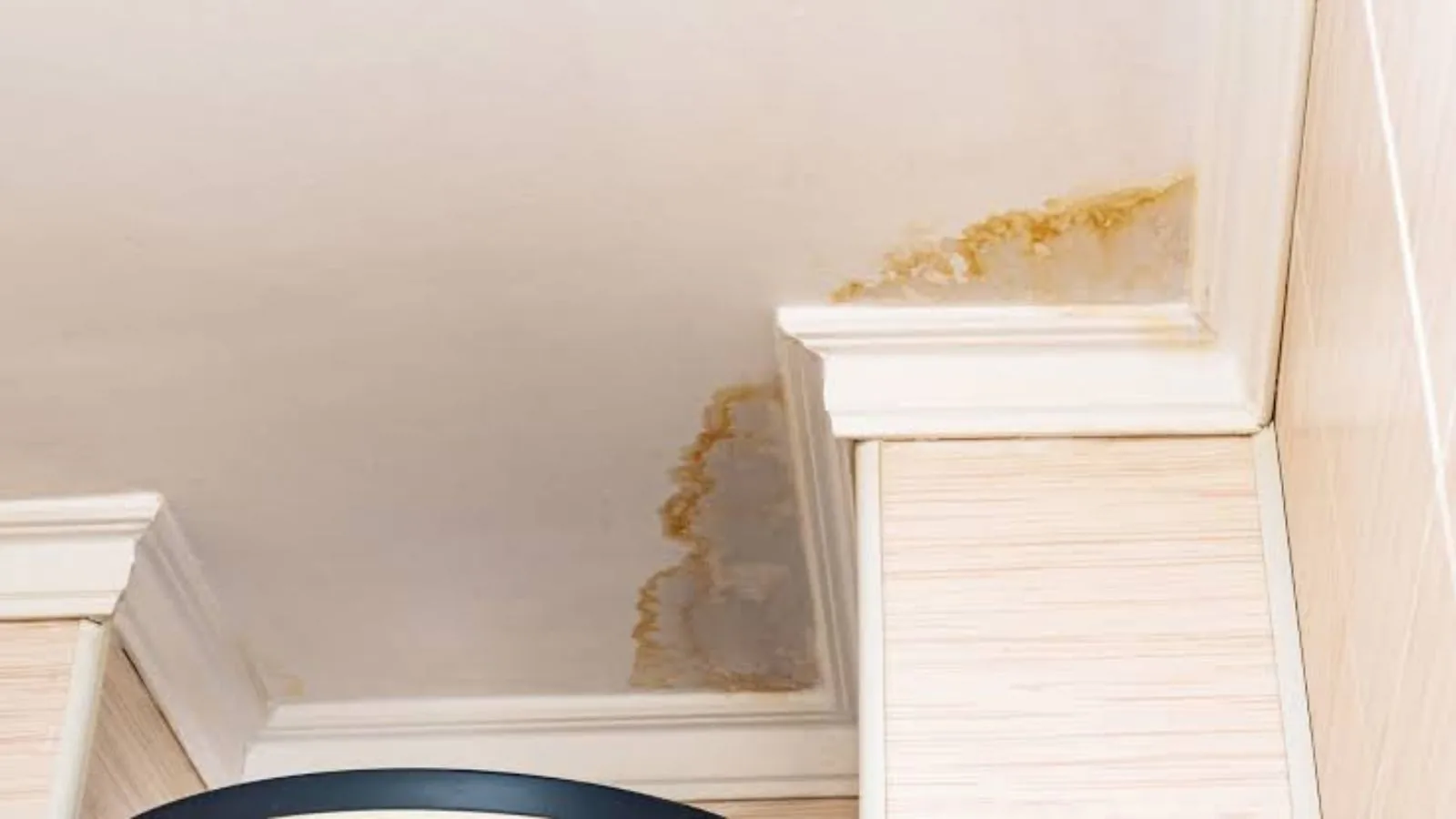
Wall and drywall water damage in Benicia homes appears as stains, bubbling paint, soft spots, swollen baseboards or a musty smell. Water reaches walls from pipes, roofs, appliances and floors, and drywall absorbs it quickly. This page covers how walls are checked, dried and repaired. The 24/7 phone line is open.
The goal is to dry what can be dried, remove what cannot, and rebuild with materials that are dry and ready.
Wet walls: what to do first
Stop the source of the water. If a wall is saturated or sagging, keep people away and call. Take photos of stains and mark the edge of any stain with a pencil. Move furniture away from the wall.
Soft or crumbling drywall is weakened. A hole forming in a wall is a sign the drywall has lost strength. Do not lean on it.
Signs drywall is wet
- Brown or yellow stains and ring marks
- Bubbling or peeling paint
- Soft, crumbly or swollen drywall
- Swollen or lifting baseboards
- A musty smell and cool, damp feel
Callers often describe a saturated wall, a soft spot, a hole forming, drywall in a garage or siding that leaks into a kitchen wall. Each points to water inside a wall cavity. A moisture meter and sometimes a thermal camera confirm it.
| Condition | Typical response | Why |
|---|---|---|
| Slightly damp, intact paint | Dry in place | Drywall can release moisture |
| Stained or bubbling | Check and often open | Water may be trapped |
| Soft, swollen or crumbling | Cut out and replace | Lost strength |
| Wet insulation in the cavity | Remove and dry framing | Insulation holds water |
How walls are dried or opened
If the drywall is sound, small holes or removed baseboards let air movers push air into the cavity. If it is not, the wet section is cut out a measured distance above the waterline. Insulation behind it is removed if wet, and the framing is dried. Readings decide when it can be closed.
Older homes and buildings may have plaster instead of drywall. If you do not know what your wall is made of, ask. A reading and a small inspection opening answer the question.
Repair after drying
Once the wall is dry, new drywall, taping, texture and paint complete the repair. California generally requires a licensed contractor for jobs of $1,000 or more in labor and materials, so ask for a license. Rebuild timing is coordinated with drying. For wet ceilings above, see ceiling water damage repair. For source-specific information, burst pipe water damage cleanup explains common causes.
What shapes the cost of wall water damage
Scope and price are explained before work starts. The drivers are:
- Height and length of wet wall
- Insulation and finish affected
- Whether drywall dries in place or is replaced
- Drying days and equipment
- Texture, paint and baseboard matching
Want your real number? Call (833) 521-1033 and describe the wall.
Insurance and wall damage
Sudden damage is often covered, and long-term leaks may not be. Ask your insurer. Photos and moisture readings help.
Insulation, studs and what is inside the wall
A wall is more than drywall. Behind it sit studs, insulation, wiring and sometimes pipes, and each can hold water. Insulation that gets wet stays wet for a long time and pushes moisture back into the drywall and the framing. That is why crews often open a small section, check the cavity with a meter and decide from what they find.
Drilling small holes at the base of a wall lets air move through a wet cavity so it can dry without cutting out large panels. This works best when the water was clean and the drywall is still firm. If the drywall is soft, crumbling or stained all the way through, it is usually cut out above the waterline and replaced.
| Condition | Usual approach | Why |
|---|---|---|
| Firm drywall, clean water, quick response | Dry in place with air flow through the cavity | Material keeps its strength |
| Soft or crumbling drywall | Cut out and replace | Strength is lost |
| Wet insulation | Remove, dry cavity, replace | Insulation holds water |
| Dirty or sewage water | Remove affected materials | Contamination cannot be dried out |
After the readings show the wall is dry, finish work begins. That means patching or replacing drywall, taping, texturing and painting. Check the contractor rules for your project, since a large rebuild can fall under licensing requirements.
Wall drying follows ANSI/IICRC S500, and finish carpentry or drywall replacement may be licensed work you can verify with the Contractors State License Board.
Common questions
Is a stained wall an emergency?
If it is growing or soft, yes. A dry old stain is less urgent but worth checking.
Can drywall be dried in place?
Sometimes, if it is sound and only damp. Readings decide.
How high is drywall cut?
Usually a measured distance above the waterline, based on readings.
Do you paint after repair?
Rebuild can be done by a licensed contractor after drying.
Do you serve Vallejo?
Yes. See Vallejo.