
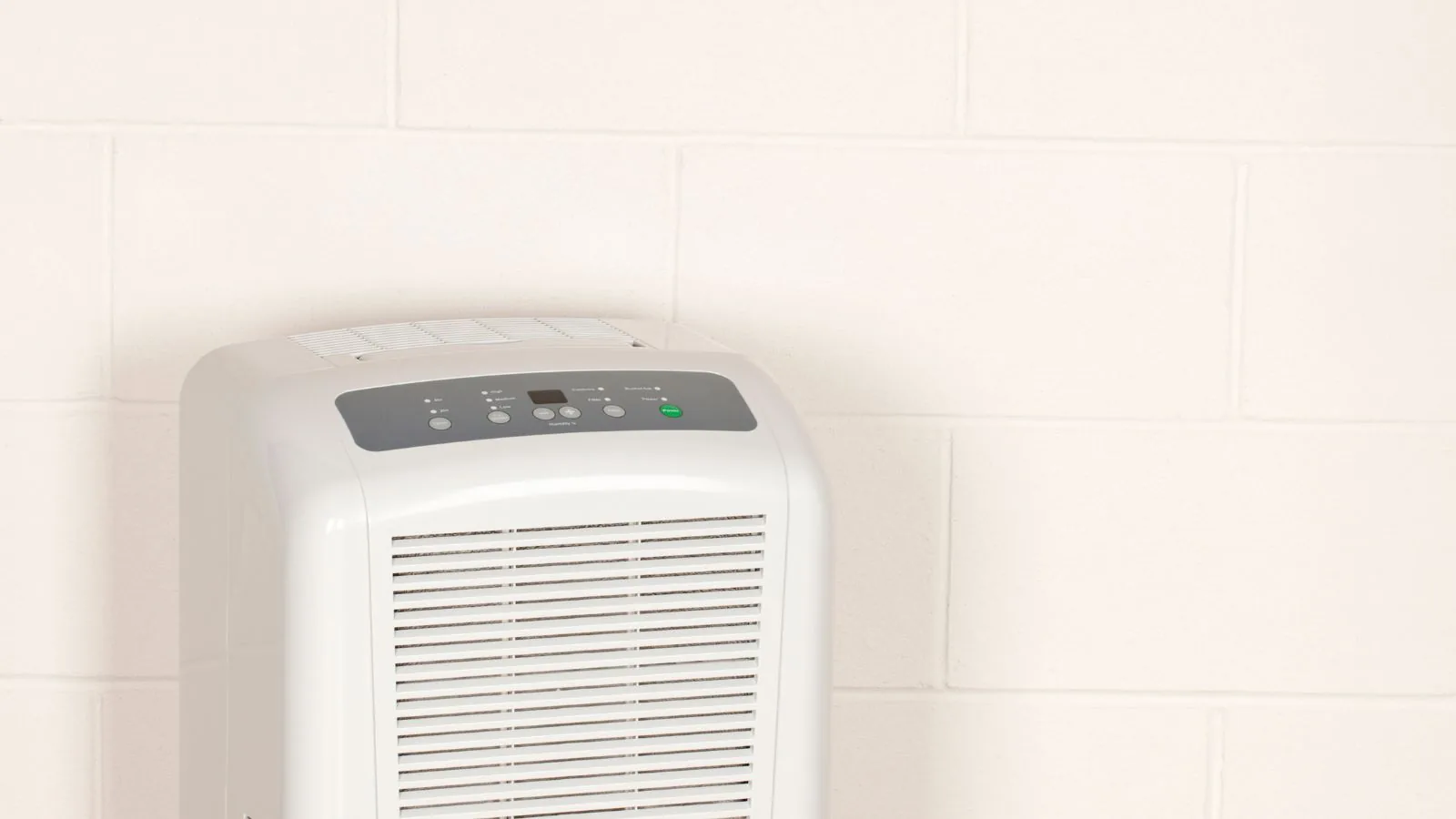
Structural drying and dehumidification is the process of removing moisture from a building after water damage, and it is the step that decides whether materials can be saved. In Benicia homes and businesses it starts with moisture mapping, then air movers and dehumidifiers run until readings reach a dry standard. The 24/7 phone line is open for questions.
Water mitigation, the broader term for stopping damage early, includes this work. A crew sets up equipment, checks it daily and finishes only when the numbers say the structure is dry.
Wet walls, a damp smell or floors that will not dry?
People rarely search for structural drying by name. They search for a wall that feels damp, a floor that stays cool and soft, a musty smell after a leak or carpet that will not dry with fans. Those are the symptoms that structural drying is meant to solve.
Household fans move air across surfaces, but they do not remove moisture from inside walls or subfloors. Professional drying uses controlled airflow, dehumidifiers and meters to pull moisture out of materials and measure the result.
How moisture mapping works
A moisture meter reads how wet a material is. A thermal camera shows cool, wet areas behind a finished surface. The crew goes room by room, marks the wet boundaries and records readings, usually on a diagram. Those readings are the baseline, and the same spots are checked each day.
Mapping also shows where water traveled that nobody saw. A leak under a kitchen sink can reach a wall in the next room. The map keeps the drying plan from stopping at the visible edge.
Equipment and what each piece does
| Equipment | Job | Notes |
|---|---|---|
| Air movers | Move air across wet surfaces to speed evaporation | Placed to direct airflow along floors and walls |
| Dehumidifiers | Remove moisture from the air so materials can release more | Often low-grain refrigerant or desiccant units |
| Moisture meters | Measure wetness in materials | Used for baselines and daily checks |
| Thermal cameras | Show cool, wet areas behind surfaces | Mapping tool, not a final reading |
The crew uses the equipment on the job and removes it when readings reach a dry standard. It is not rented out as a service here. If you ask about renting equipment, the honest answer is that drying works because a trained person places it and checks the numbers.
How long does drying take?
It depends on the materials, the amount of water and the conditions. Many jobs run several days. Dense materials such as hardwood, subfloors and concrete take longer than carpet and drywall. The crew checks readings each visit and adjusts equipment, and drying ends when the numbers say so, not on a calendar date.
Water mitigation also includes removing materials that cannot be dried, such as saturated pad and swollen drywall. Removing them can speed drying of the rest. If water has already sat for days, carpet water damage restoration explains what usually happens to carpet and pad.
Drying standards
ANSI/IICRC S500 is the published standard for water damage restoration, and it describes drying goals and documentation. It is fair to ask any company whether its crews work to it.
Why drying matters for what comes next
Mold needs moisture, and structures that stay wet give it what it needs. Drying quickly and verifying with readings is the best way to avoid that question. This page makes no promise about outcomes. It explains why the readings matter, and health questions belong to a physician.
If the damage came from an air conditioner, see AC leak water damage. For wall damage, wall and drywall water damage repair covers what is opened and what is left.
What shapes the cost of structural drying
Scope and price are explained before work starts. The drivers are:
- Square footage that is wet and the number of rooms
- Materials, since dense materials dry more slowly
- Equipment count and days of drying
- Water category
- Whether material removal is part of the job
Want your real number? Call (833) 521-1033 and describe what got wet.
Insurance and drying documentation
Drying logs, moisture readings and photos help document a loss. Ask your insurer what it wants. Coverage depends on the cause of the water and your policy.
What the daily visits look like
Drying is not set and forget. A crew returns each day or two to check readings, move equipment and adjust the setup. Wet pockets shift as materials dry, so air movers are repositioned and sometimes a dehumidifier is added or removed. The log from each visit shows the trend, and the end point is reached when affected materials match the dry standard.
You can help by keeping equipment running, keeping doors and windows closed unless asked otherwise and not moving air movers. Equipment is loud and uses electricity, and that is normal. If something stops running, call the crew rather than assuming it is finished.
- Ask for a copy of the readings and the equipment list
- Keep furniture and boxes away from air movers
- Do not turn equipment off to save power unless told it is fine
- Tell the crew about any new stain, smell or sound
- Wait for the crew to confirm the dry standard before repairs begin
Safety steps for this kind of loss
- Do not unplug or move air movers once they are running
- Keep cords off wet floors and out of walkways
- Leave doors and windows closed unless the crew says otherwise
- Tell the crew about any new stain, smell or sound
Common questions
Do you rent air movers and dehumidifiers?
No. Equipment is placed and monitored by the crew as part of the job.
How long will drying take?
It depends on materials and water amount. Many jobs run several days, and readings decide the end.
Can I dry a wall with fans?
Fans help surfaces but do not dry inside a wall cavity. A moisture reading shows whether more is needed.
What is water mitigation?
The steps that stop damage from growing, including extraction, removal of unsalvageable materials and drying.
Do you serve Vallejo?
Yes. See Vallejo.