
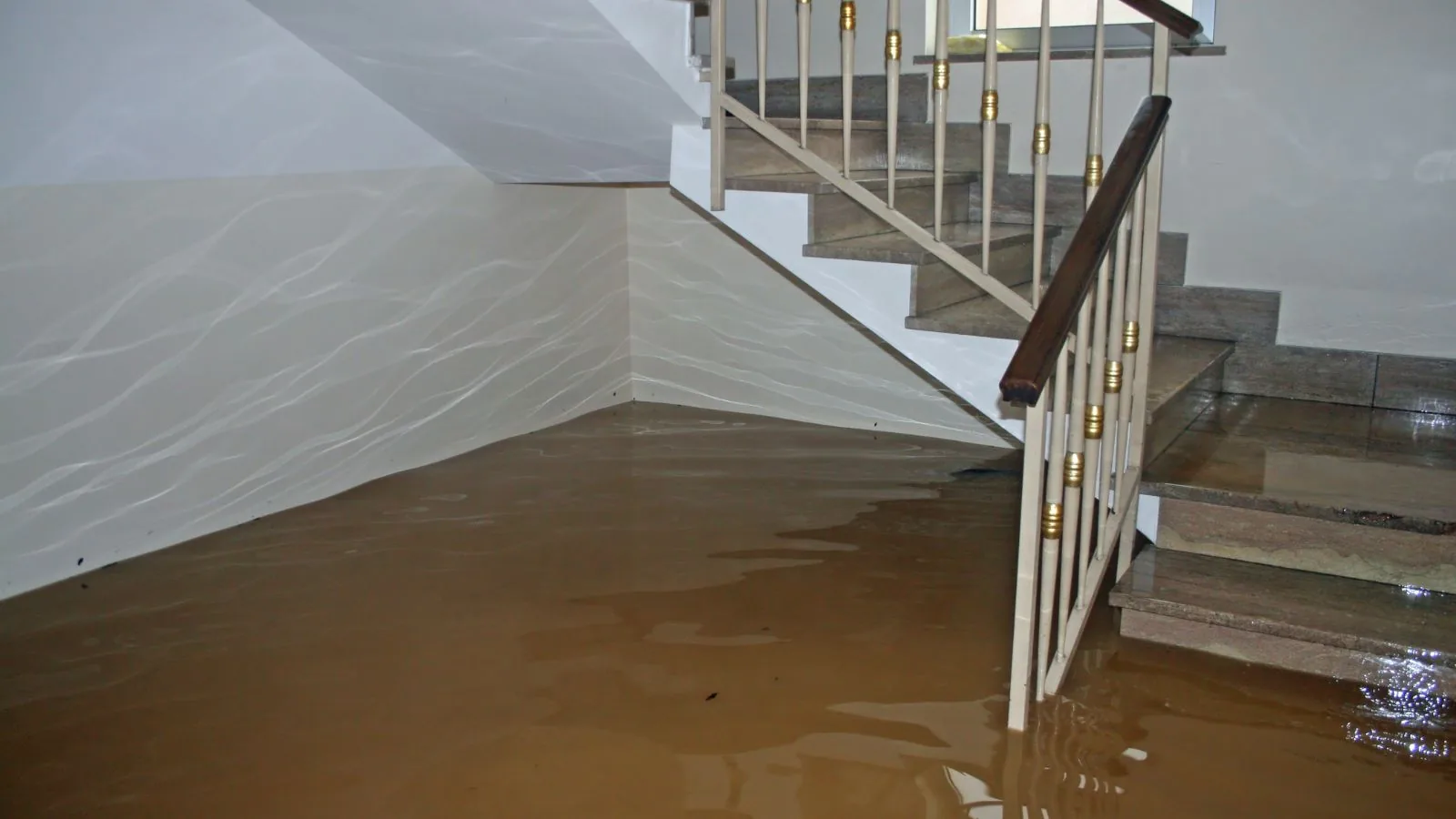
Flood damage restoration in Benicia starts with a safety decision. Water that rises from the ground, a creek or a drain is treated as contaminated until the crew determines otherwise, which changes what can be saved. The phone line is open 24/7 for flood cleanup and the extraction and drying that follow.
This page covers rising and surface water, called Category 2 or 3 water in the industry standard. A plain roof leak is covered under ceiling water damage repair, and weather that comes through the building envelope is under storm water damage cleanup.
If flood water is in your building right now
Treat this as an emergency. Keep people and pets out of the water, because flood water can carry sewage, chemicals and debris. Do not enter flood water where electricity may be live. If it has reached outlets, a panel or a meter, call 911 or the utility before you call the restoration line.
If you can do so safely, move valuables up, and photograph the waterline, the damage and the date and time. Do not use household fans or a shop vacuum on contaminated water. A crew with protective gear and extraction equipment is the safe route.
Never stand in water near electricity
Do not operate a breaker while standing in water. If water is at the level of outlets, stay out and call the utility or emergency services before cleanup.
What makes flood damage different
Rising water carries soil, bacteria and sometimes sewage from overwhelmed drains. Porous materials such as carpet, pad, insulation and drywall that were touched by it are usually removed rather than cleaned, because they cannot be sanitized reliably. Hard materials such as concrete, tile and framing can often be cleaned and dried.
The crew works in a clear order. First water is pumped out, then contaminated materials are removed and bagged, then the structure is cleaned and dried, and finally moisture readings confirm it is ready to rebuild. Each step is documented, which also helps with insurance.
| Material | After flood water | Why |
|---|---|---|
| Carpet and pad | Usually removed | Cannot be sanitized reliably |
| Drywall and insulation | Usually removed below the waterline | Absorbs and holds contaminated water |
| Hardwood and laminate | Case by case | Depends on time wet and water category |
| Concrete, tile, framing | Often cleaned and dried | Hard surfaces can be cleaned and dried |
Benicia flood facts from city sources
Benicia has its own flood damage prevention rules in the municipal code, based on a FEMA Flood Insurance Study for the city dated August 3, 2016, with a flood map on file at 250 East L Street. The code also uses a 50 percent test. If restoring a structure to its pre-damage condition would cost 50 percent or more of its assessed value, the damage counts as substantial, and rules for buildings in mapped flood areas apply.
The practical lesson is to check before rebuilding. Look up your address on the FEMA Flood Map Service Center and ask the city building department or floodplain administrator what applies to a repair. Nothing here states that your property is or is not in a flood zone. Only the map and the city can tell you.
A city climate vulnerability report covered in the Benicia Herald named the marina, parts of East Second and East Fifth streets and several shoreline areas as flooding concerns. It is a planning document, not a forecast for your address, but it explains why drainage, not just rain, is part of the conversation locally.
What shapes the cost of flood cleanup
Flood jobs vary widely. Scope and price are explained before work starts. The drivers are:
- Water category, which for flood water is usually 2 or 3
- Area and depth of the affected floors
- Amount of carpet, pad, drywall and insulation to remove
- Cleaning and sanitizing steps and drying days
- Rebuild scope, including any floodplain requirements
Want your real number? Call (833) 521-1033 and describe the water.
Flood and insurance
Flood damage is usually excluded from standard homeowners policies and needs separate flood coverage, often through the National Flood Insurance Program or a private flood policy. Check your policy and ask your insurer. If you have flood coverage, photos, moisture readings and an itemized scope support the claim.
If you do not have flood coverage, that does not change the cleanup steps, but it changes who pays. For plain water from a burst pipe, see burst pipe water damage cleanup, which is often handled differently by insurers.
Common questions
Do you handle flood damage emergencies at night or on weekends in Benicia?
Yes. The line is open 24/7. Call with what you see and follow the safety steps while the crew is arranged.
Can flood-damaged carpet be saved?
Usually not. Flood water is treated as contaminated, and carpet and pad are porous. Hard surfaces are more often saved.
Is my Benicia home in a flood zone?
This page cannot tell you. Look up your address on the FEMA Flood Map Service Center or ask the city building department.
Does homeowners insurance cover flood damage?
Usually not. Flood is commonly excluded and needs separate flood coverage. Check your policy.
Do you serve Vallejo?
Yes. The same line serves Vallejo and nearby towns.
Flood water in the building?
Stay out of contaminated water and call the 24/7 line.
☎ Call (833) 521-1033