
Commercial water damage restoration in Benicia covers storefronts, offices, warehouses, restaurants and multi-unit buildings where a leak or flood stops business. The work is the same in principle as for a home, but the scale, the schedule and the paperwork differ. The 24/7 phone line is open for commercial calls.
The first questions are practical. Is the water stopped, is the space safe to occupy, and what has to stay running? A good plan answers those before any equipment is placed.
A commercial water loss is an emergency
Shut off the water at the building main if the source is a supply line and you can reach it. Turn off power only to affected areas and only if it is safe. Move inventory, records and electronics off the floor. If the building has a sprinkler system, a fire protection contractor handles that system.
Photograph the damage and note the time. If tenants share the building, notify the property manager. Call the 24/7 line and describe the building and the area wet.
What makes a commercial job different
- Larger floor areas and higher ceilings that need more equipment
- Tenant and landlord responsibilities that must be sorted
- Business interruption, so work may be phased around operating hours
- Documentation for insurers and property managers
- Floor coverings and fixtures that differ from homes
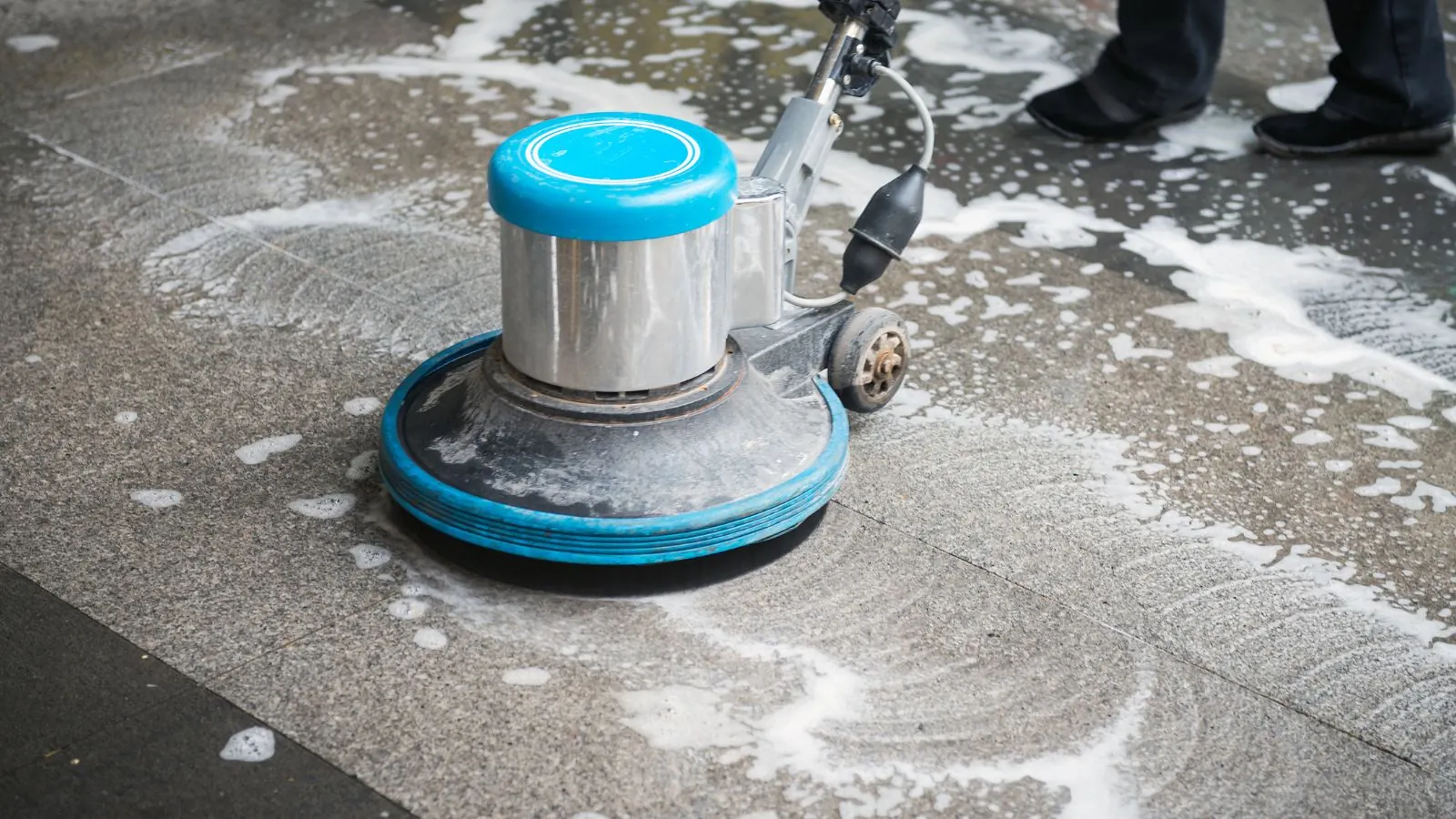
Industrial and commercial buildings often have concrete floors, suspended ceilings and large open spaces. Extraction covers wide areas with truck-mounted units, and drying equipment is sized to the space.
| Building type | Typical issue | Planning point |
|---|---|---|
| Office or storefront | Supply line, roof leak, sprinkler failure | Keep operations running where possible |
| Restaurant | Grease trap, kitchen supply, floor drain | Health and food safety considerations |
| Warehouse or industrial | Roof leak, drain backup, rain entry | Large area, inventory protection |
| Multi-unit building | Unit-to-unit leaks | Multiple tenants and insurers |
Benicia commercial context
Benicia's Industrial Park covers roughly 1,300 acres of commercial and industrial land served by Interstate 680, Interstate 780 and the Union Pacific rail line, and the downtown core has storefronts in buildings dating to the late 1800s. The range from large warehouses to old brick storefronts means no single approach fits. The crew sizes equipment to the building.
For older storefronts, ask what the walls and floors are made of before drying starts. A plaster wall and a drywall wall behave differently. For a large warehouse, protecting inventory and the slab are the priorities.
Documentation and insurance
A written scope, photos, moisture logs and a record of what was removed help with a commercial claim. Business policies differ, so ask your insurer what it covers, including business interruption. Landlords and tenants often have different policies for the same loss.
If the building leak started with a burst line, see burst pipe water damage cleanup. For a roof entry, storm water damage cleanup explains rain and wind entry.
What shapes the cost of a commercial restoration
Scope and price are explained before work starts. The drivers are:
- Square footage and ceiling height
- Floor and ceiling materials
- Contents and inventory that must be moved
- Phasing to keep part of the business running
- Drying days and rebuild scope
Want your real number? Call (833) 521-1033 and describe the building.
Keeping a business running during a water loss
A business cannot simply stop. Staff, customers, inventory and records all depend on the space, so a restoration plan for a commercial loss starts with what must stay open. A crew can work in phases, drying one area while another stays in use, and can set up containment so dust and noise stay away from operating spaces.
Inventory and records need early attention. Stock stored on the floor, boxed paper files and electronics are the first things to move. Photograph them where they sit, then move them to a dry area. A simple list with counts and photos supports an insurance claim later.
- Move electronics and paper off the floor before anything else
- Keep a log of the date and time you noticed the water and who was told
- Notify the property manager or landlord if the building is shared
- Ask the crew for a written scope that separates each tenant space
- Keep receipts for emergency steps such as temporary storage
In a multi-unit building, water often moves between units, so the source and the paths matter. A written moisture map shows which suites were affected and helps owners and tenants sort out responsibility with their insurers.
Commercial jobs are documented against ANSI/IICRC S500, and larger rebuilds in a business fall under the Contractors State License Board rules for licensed contractors.
Safety steps for this kind of loss
- Clear people from wet areas and mark slippery floors
- Shut down equipment and electronics that sit near water
- Tell building management and any neighboring tenants right away
- Record the time, the area and what was moved
Common questions
Do you handle commercial water damage emergencies at night or on weekends in Benicia?
Yes. The line is open 24/7.
Can work happen while the business stays open?
Often it can be phased. The plan depends on safety and the space.
Do you handle sprinkler repair?
No. A fire protection contractor does that.
Who pays, the landlord or the tenant?
It depends on the lease and policies. Ask your insurer and property manager.
Do you serve Vallejo businesses?
Yes. See Vallejo.