
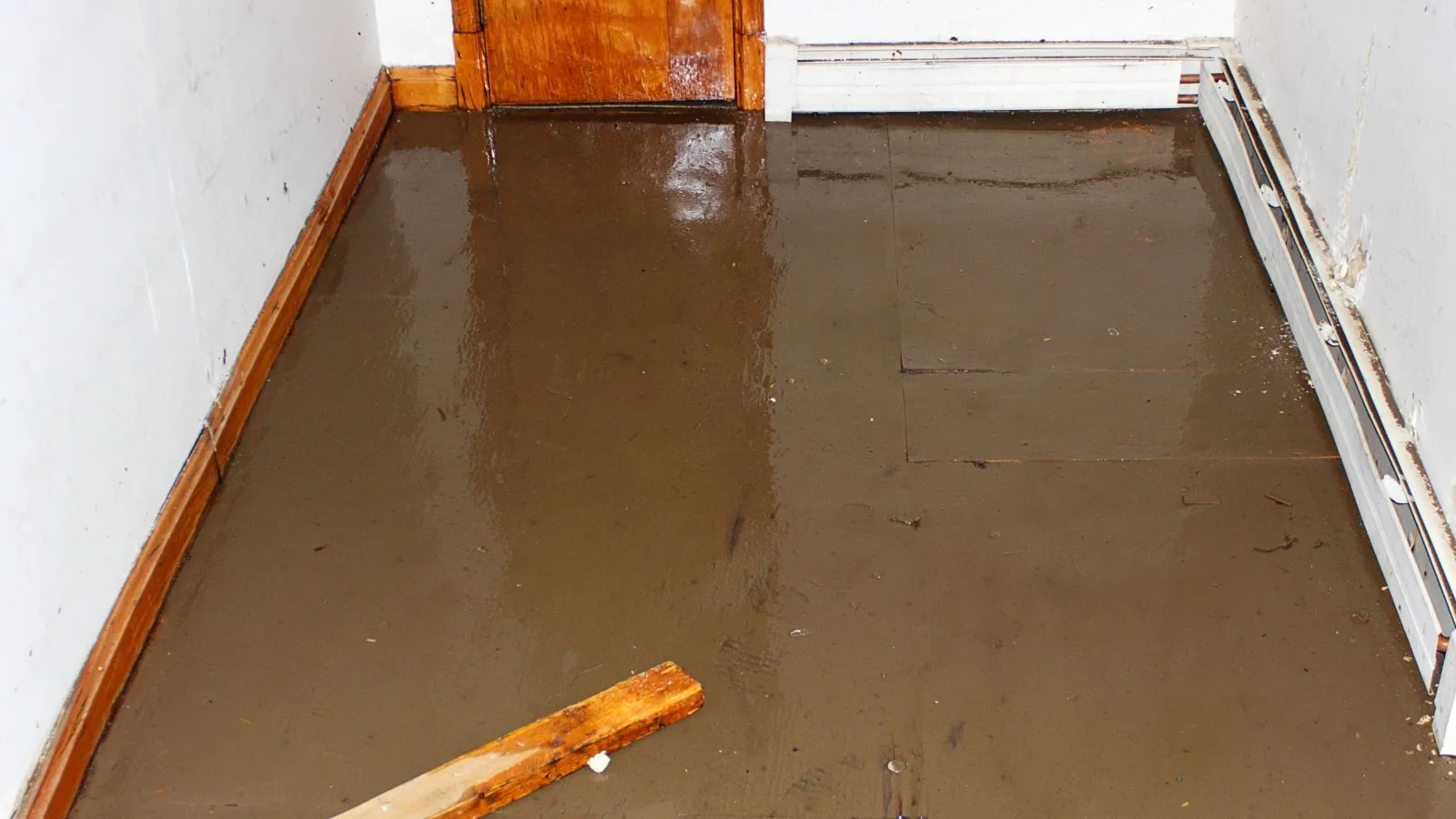
Basement water damage in Benicia homes that have basements is an urgent problem. Below-grade rooms collect water from rain, pipe failures, sump pump problems and drain backups, and finished basements have drywall, carpet and belongings to protect. This page covers cleanup of the below-grade room. The 24/7 phone line is open.
Whether your house has a basement at all is a fact about the house. This page does not claim how common basements are in Benicia, and it is written for the case where you have one.
Water in the basement: emergency steps
Stay out of standing water near electrical outlets, panels or appliances. Turn off power to the basement at the main panel only if the panel is dry and you do not have to stand in water. If water is rising, move belongings upstairs and call right away.
If the water is gray or brown, assume it may be contaminated. Keep children and pets out, and read sewage backup cleanup if a drain is involved.
Common causes of basement water
- Rain that enters through the foundation, windows or window wells
- A sump pump that fails or cannot keep up
- A burst or leaking pipe or a failed water heater
- A drain or sewer backup
- Appliance failures in a basement laundry
Callers often describe water that appears after rain, a basement that smells musty, or a finished room with wet carpet. Each of those has a cleanup response, but cleanup is not the same as stopping the cause.
| Cause | What is wet | Cleanup note |
|---|---|---|
| Rain seepage | Floor, wall base, stored items | Extraction, drying, check the cause |
| Sump pump failure | Floor and finished areas | Extraction, drying, pump repair by others |
| Pipe or heater leak | Floor and nearby walls | Extraction, drying, plumber for repair |
| Sewer backup | Floor, contaminated materials | Protective cleanup and removal |
Restoration is not waterproofing
Restoration dries and cleans after water has entered. Waterproofing and foundation work prevent future entry, and they are different trades. If water keeps coming in after rain, a waterproofing or drainage contractor and perhaps a foundation inspector are the right next calls.
The crew can say what water did to the structure. It cannot fix the reason water keeps coming. Keep that in mind when you plan the job.
Cleanup steps for a finished basement
Extraction first, then removal of wet carpet, pad and drywall that cannot be dried, then drying with air movers and dehumidifiers, then moisture checks. Stored items are lifted and moved. See structural drying and dehumidification for how readings guide the work.
Benicia's tidal shoreline and creeks mean drainage is a local concern in some areas. The FEMA Flood Map Service Center and the city building department are the places to check how your address is mapped.
What shapes the cost of basement cleanup
Scope and price are explained before work starts. The drivers are:
- Depth of water and area of the basement
- Water category
- Finished materials and belongings affected
- Drying days and equipment
- Rebuild and any drainage work, which is separate
Want your real number? Call (833) 521-1033 and describe the basement.
Insurance and basements
Rain seepage and groundwater are often excluded from standard policies, while sudden pipe failures are often covered. Check your policy and ask your insurer. Photograph the waterline and the damage.
What a basement crew checks before starting
A basement job begins with the question of where the water came from, because the answer changes the plan. Groundwater seeping through a wall, a failed sump pump, a burst line and a sewer backup each call for a different response. The crew also checks electrical hazards before anyone steps into standing water, because outlets and cords near the floor can stay energized.
Once it is safe, the crew extracts the water, removes materials that cannot be dried and sets up drying equipment. Basements dry slowly because they are cool, enclosed and often humid, so dehumidifiers do a lot of the work. Readings are taken until the walls and floor match the dry standard.
- Carpet and pad in a finished basement are often removed when the water is dirty or has stood for days
- Stored cardboard boxes and paper items hold water and are usually discarded
- Drywall that wicked water upward may be cut out above the waterline
- Concrete floors dry slowly and are checked after surface water is gone
If you have a sump pump, note whether it was running when the water came in. That detail helps your plumber and your insurer understand what failed.
Safety steps for this kind of loss
- Do not enter a basement with standing water if the panel or outlets are low or wet
- Keep away from the stairs if the treads are wet and slick
- Leave the sump area alone if water is rising
- Photograph the water line on the walls before anything is moved
Common questions
Do you handle basement water damage emergencies at night or on weekends in Benicia?
Yes. The line is open 24/7.
Will you stop water from coming in again?
No. Waterproofing and drainage are different trades. The crew handles the cleanup.
Is basement water contaminated?
It can be. A sewage or flood source is treated as contaminated.
Can a finished basement be saved?
Often parts can. Readings decide what is dried and what is removed.
Do you serve Vallejo?
Yes. See Vallejo.
Water in your basement?
Stay out of standing water near power and call the 24/7 line.
☎ Call (833) 521-1033