
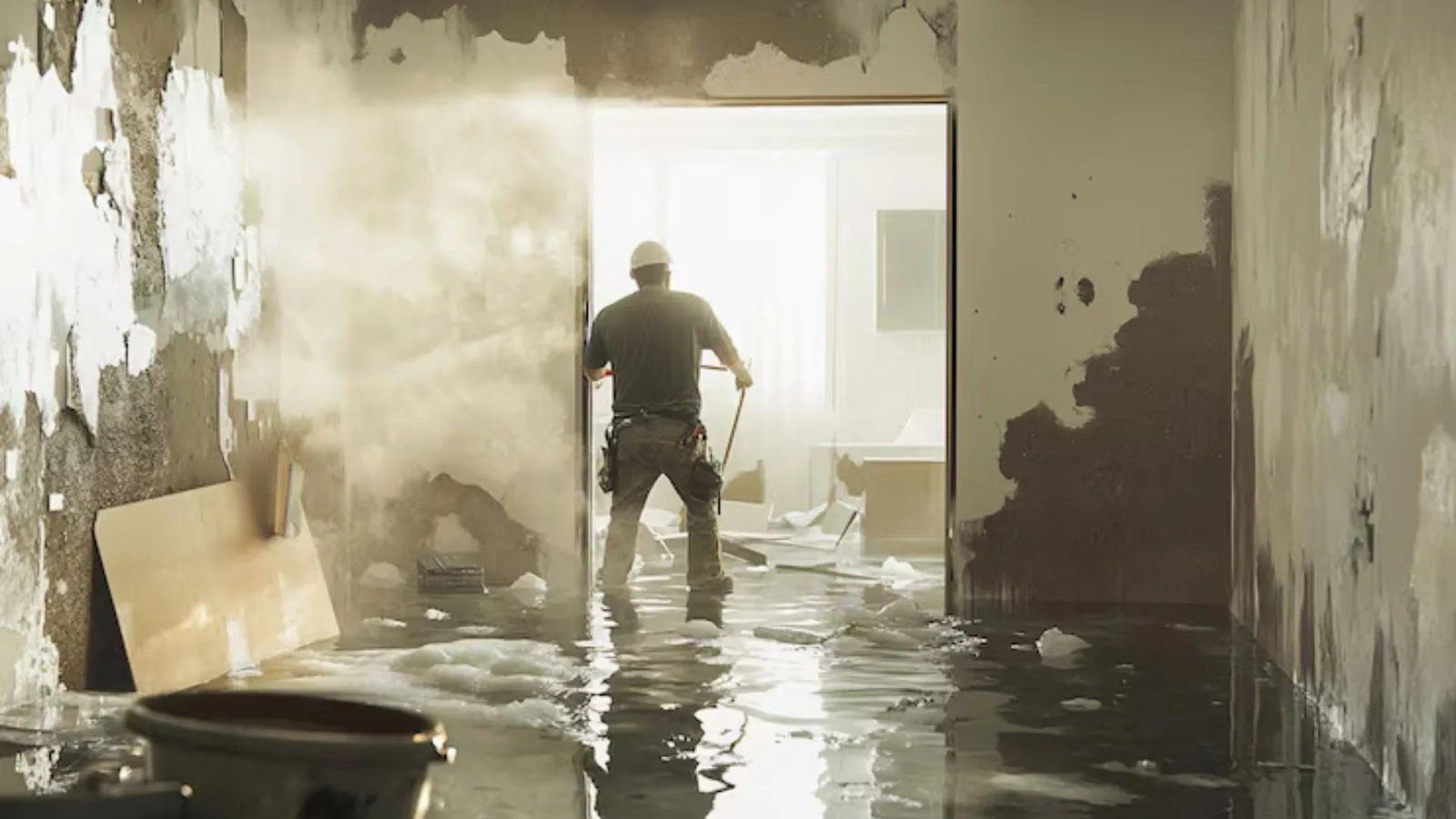
A water damage insurance claim in Benicia, CA rests on documentation, and the best time to create it is while the work is happening. Photos, moisture readings, receipts and a written scope tell your insurer what happened and what it cost to fix. This guide explains what to gather and in what order, without promising how any insurer will respond.
The steps are general. Every policy has its own wording and deadlines, so use this as a checklist to bring to your insurer, not as a replacement for the policy.
Step one: protect the property and photograph it
Stop the water if you can do so safely, and take photos and video before anything is moved. Capture the source, the waterline, wet materials and damaged belongings from several angles. Include the date and time. A wide shot of each room followed by close-ups gives your insurer context and detail.
If you have to move items to protect them, photograph them where they were first. Keep a list of what was moved and where it went. A simple note in your phone is enough.
Step two: keep the failed part
A broken supply line, a split hose or a failed valve can show the cause. Insurers sometimes ask to see it. Keep it in a bag and label it with the date. Do not throw it away until your insurer says it is fine.
Step three: gather moisture readings and the scope
A restoration crew takes moisture readings, often with a meter and a thermal camera, and writes a scope of work listing what was extracted, what was removed and what equipment ran. Those documents show how far the water traveled and when the structure was dry. The scope and price are explained before work starts, so ask for the written version.
| Document | Why it helps | Who provides it |
|---|---|---|
| Photos and video | Show the damage before cleanup | You |
| Failed part | Shows cause | You |
| Moisture readings and map | Show extent and dry standard | Restoration crew |
| Written scope of work | Lists work and equipment | Restoration crew |
| Receipts for emergency steps | Show costs | You |
| Plumber or roofer report | Confirms cause | Repair contractor |
Step four: talk to your insurer in plain terms
Ask what it needs, what deadlines apply and how it treats cleanup, repair and the failed part. Write down who you spoke to and when. Do not guess about cause. Describe what you saw and when. If an adjuster visits, show the photos and the readings.
For how drying is documented, see structural drying and dehumidification. For a wide loss such as a flooded floor, flood damage cleanup covers the contaminated-water side.
Step five: keep records of repairs and permits
Rebuild work generates more paper: contractor estimates, invoices, permits and final inspections. Keep them together. If a permit is required, ask the city building department before work begins.
What no one can promise
No contractor controls an insurance outcome. Be careful with anyone who says a claim will be approved, that you will pay nothing or that they can negotiate your claim for you. Your policy and your insurer decide.
A short folder system that works
Make one folder on your phone or computer for the loss. Inside, keep subfolders for photos, readings, invoices, correspondence and the policy. Name files with the date and a few words, such as the room and the item. When your insurer asks for something, you can send it in minutes instead of searching.
- Photos and video, with the date visible if possible
- Moisture readings and the written scope
- Estimates and invoices from each trade
- Notes of every call, with the date, the name and what was said
- Permits, inspection records and final sign-offs
If your claim is denied or partly paid, the same folder helps you ask for a review. Keep everything until the matter is fully settled.
Benicia note: permits and the floodplain administrator
Benicia's Flood Damage Prevention chapter refers to a floodplain administrator who interprets it, and the city keeps its FEMA flood study on file at 250 East L Street. The code treats damage as substantial when the cost to restore a structure equals or exceeds 50 percent of its assessed value, which can bring extra rules for buildings in mapped flood areas.
For a claim, that means checking with the city before a big rebuild and keeping any permit paperwork with your claim file. This note does not state whether your property is in a mapped area.
Source type: Municipal code, Benicia Flood Damage Prevention chapter
If your loss involves a business or an apartment building, commercial water damage restoration explains the added documentation. Across the border, the same checklist works for a claim in Vallejo, and a Benicia neighborhood like East Benicia has its own drainage context.
Common questions
Do I need a permit for repairs after a water loss in Benicia?
It depends on the work. Ask the city building department before you start, and keep permit records with your claim.
How long should I keep the paperwork?
Keep it at least until the claim closes and the repairs are done. Ask your insurer if there is a longer period.
Is a restoration crew's moisture log accepted by insurers?
Many insurers ask for drying records, but each decides what it needs. Ask yours.
Can I start cleanup before the adjuster comes?
If water is spreading, yes. Photograph first. Ask your insurer what it needs.
What if I find more damage later?
Tell your insurer and document it. Hidden moisture can show up after walls are opened.
Need drying documented?
Call the 24/7 line. The crew records readings as it works.
☎ Call (833) 521-1033