
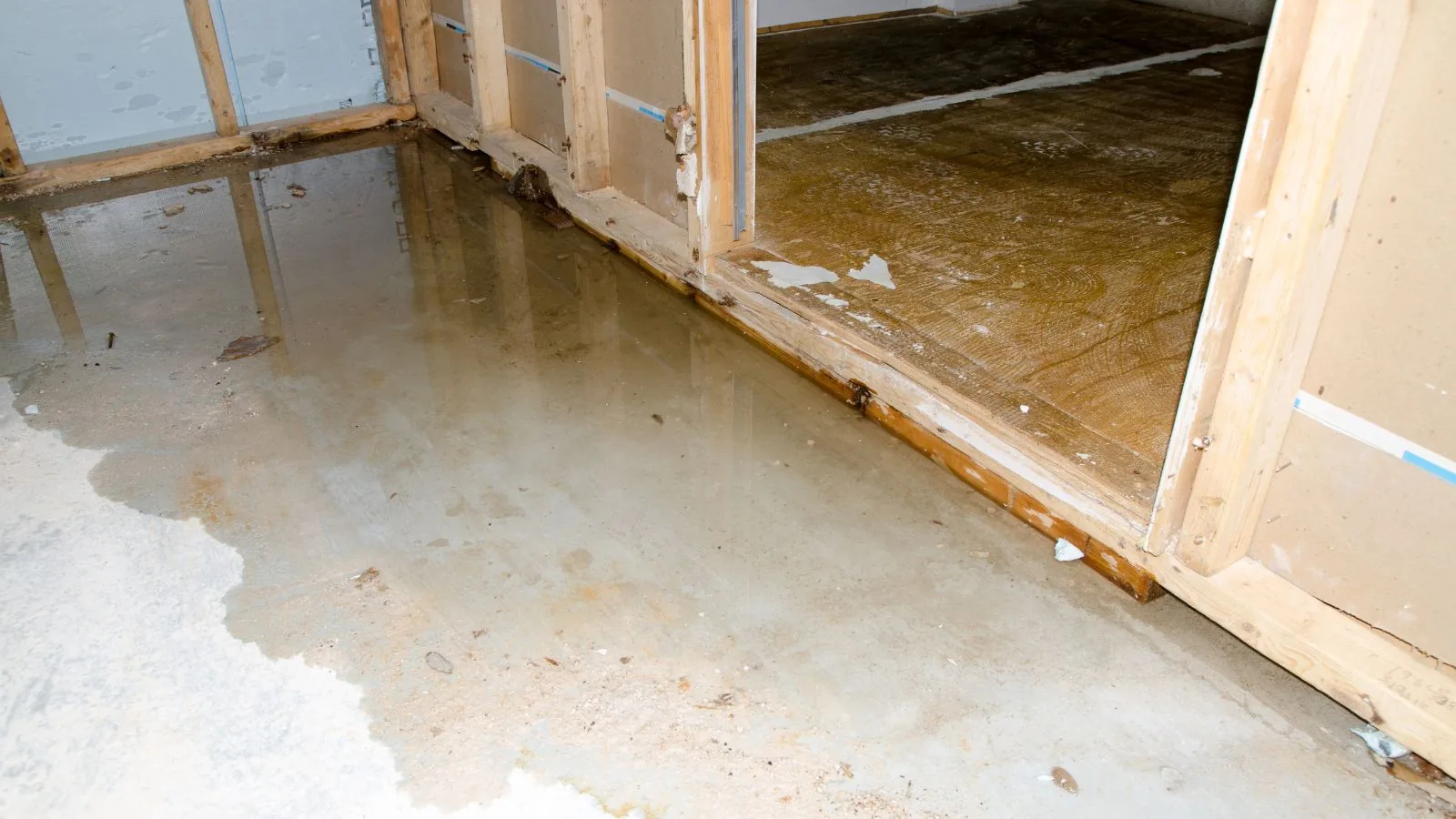
Water damage categories explain why two floods in two homes can need very different cleanups. The ANSI/IICRC S500 standard sorts water into categories 1, 2 and 3 based on how contaminated it is, and the category can get worse with time. This guide explains each one in plain terms for Benicia, CA homes.
The standard guides professional practice. It is not a substitute for an on-site assessment, because the right category depends on the source and the conditions.
Category 1: water from a clean source
Category 1 water comes from a sanitary source, such as a broken supply line, a faucet left running or a failed appliance connection. It does not carry significant contamination at the start. This is the easiest category to dry, because many materials can be saved if the work starts quickly.
Category 2: water with some contamination
Category 2 water, sometimes called gray water, can contain contaminants that might cause illness if people are exposed. Typical sources include washing machine and dishwasher discharge and some toilet overflow without solids. Porous materials such as carpet pad are often removed, and hard surfaces are cleaned and dried.
Category 3: water that is grossly contaminated
Category 3 water, sometimes called black water, includes sewage, flood water from rivers or the ground and water that has stood long enough to grow microbes. Porous materials that touched it are generally removed, and the area needs careful cleaning and protective equipment. This is not a do-it-yourself category.
| Category | Typical sources | Usual approach |
|---|---|---|
| 1 | Supply line, faucet, clean appliance line | Extract and dry, many materials saved |
| 2 | Washer or dishwasher discharge, some toilet overflow | Remove porous materials, clean and dry the rest |
| 3 | Sewage, rising flood water, long-standing water | Remove porous materials, clean, disinfect and dry |
Why time changes the category
Category 1 water that sits for a few days can degrade to category 2 or 3 as it picks up contamination from building materials and grows microbes. That is a reason to start extraction and drying quickly and to take photos with times. It is also why a clean-looking supply leak that was found late may be handled differently from one found at once.
What each category means for your belongings
- Category 1: many items can be dried, cleaned and kept
- Category 2: porous items such as carpet pad, upholstered pieces and cardboard are often discarded
- Category 3: porous items are generally discarded, and hard items are cleaned with care
Photograph anything you discard. If you plan to file a claim, a list with photos helps. See sewage backup cleanup for category 3 jobs and flood damage cleanup for flood water.
Safety first
Do not wade through standing water that may touch electrical outlets or cords. For category 2 or 3 water, avoid contact, keep children and pets out and call for help. This guide does not give health advice. Ask a physician if someone was exposed.
How categories connect to classes of water damage
The same standard also sorts water losses into classes, which describe how much water and how many porous materials are involved. A class 1 loss affects a small area with low absorption, while a class 4 loss involves deeply held moisture in dense materials such as hardwood or concrete. Category tells you how contaminated the water is. Class tells you how much work is needed to dry it.
Both matter for the scope. A category 1 loss in a small area can be a quick job. A category 1 loss that soaked a hardwood floor and the subfloor may be a long one. A category 3 loss is serious in almost every case. When you read a scope, check that it names both.
| Term | What it describes | Why it matters |
|---|---|---|
| Category | How contaminated the water is | Decides what can be kept |
| Class | How much water and how absorbent the materials are | Decides drying effort |
| Time | How long water stood | Can raise the category |
Safety steps for this kind of loss
- Avoid contact with water that may be gray or black
- Wear gloves and boots if you must enter
- Keep children and pets out of the area
- Wash hands after handling anything that was wet
Benicia note: water, sewer and storm drains are separate systems
The City of Benicia operates its water, wastewater and storm drain services through its public works department, and its Water Treatment Plant on the Carquinez Strait serves city customers. Those are different systems, and which one failed tells you what category you are dealing with.
A broken line on your property is usually a category 1 problem, a backed-up sewer line is category 3, and street water entering a home during a storm is typically category 3. If you are unsure which system is involved, ask the city and photograph the source.
Source type: City public works information
The categories apply in the same way in Vallejo and in a Benicia area like Southampton.
Common questions
Can category 1 water turn into category 3?
Yes, if it stands long enough or passes through contaminated materials. Time matters.
Who decides the category?
A restoration professional assesses it on site using the standard. Your description and photos help.
Is rainwater category 1?
Rain that enters through a roof leak may start cleaner but can pick up contamination in the structure. It depends on the path and the time.
Can I keep my carpet after category 2 water?
Sometimes the carpet can be cleaned and the pad replaced. The assessment decides.
Does the category affect insurance?
It can affect scope, and so cost. Ask your insurer how it treats each category.
Not sure what kind of water it is?
Call the 24/7 line and describe the source and how long it stood.
☎ Call (833) 521-1033