
Water damage risks in Benicia, CA shift through the year. Winter brings rain and drainage problems, summer brings air conditioning condensate, and old fixtures can fail at any time. Knowing which risk is likely in which season helps you check the right thing at the right time. This guide walks through the year.
It does not predict the weather or claim how any season will go. It offers a checking schedule for common water sources.
Fall: prepare for the wet season
Fall is the time to clear gutters, check the roof and test the sump pump if you have one. Look at where downspouts empty and whether the ground slopes toward the house. A few hours now can prevent a leak in the first storm. Storm water damage cleanup covers what happens when preparation is not enough.
Winter: rain, runoff and cold snaps
Rain finds weak points in roofs, flashing, windows and door sills. Heavy runoff can push water toward foundations and into garages and crawl spaces. Cold snaps are less common in the Bay Area than elsewhere but can still freeze exposed pipes. See frozen pipe water damage for what to do if that happens.
Spring: inspect after the rain
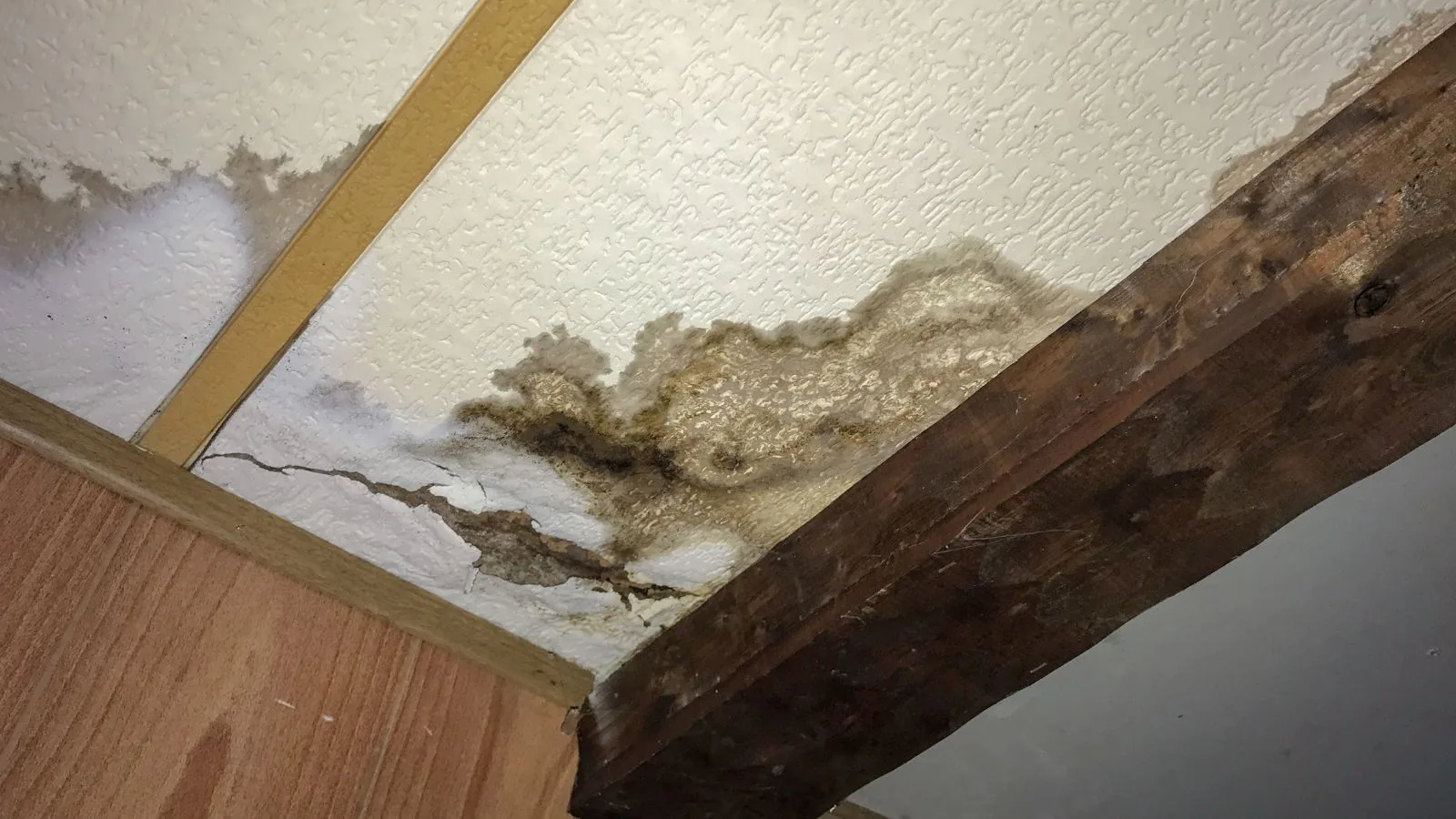
Spring is a good time to look for stains on ceilings and walls that appeared during winter. Check the attic after a rain, look at the crawl space and look for efflorescence on foundation walls. Small stains found in spring cost less to fix than those found in fall.
Summer: air conditioning and appliances
Air conditioners make condensate, and a clogged drain line can overflow into a closet, an attic or a ceiling. Summer is also when people run more laundry, dishwashers and irrigation. Check the condensate line, the pan and the nearby ceiling. AC leak water damage explains this problem.
| Season | Common source | What to check |
|---|---|---|
| Fall | Clogged gutters, aging roof | Gutters, downspouts, shingles, flashing |
| Winter | Rain, runoff, cold snaps | Attic, windows, crawl space, exposed pipes |
| Spring | Hidden winter leaks | Ceiling stains, foundation walls, attic |
| Summer | AC condensate, appliances, irrigation | Condensate line and pan, hoses, sprinklers |
| Any season | Supply lines, water heaters, toilets | Valves, hoses, tank base |
Year-round checks
- Test your main shutoff once a year
- Replace old washing machine hoses with braided lines
- Check the water heater for rust, leaks and age
- Look under sinks every few months
- Know where your electrical panel is
Water heaters and supply lines can fail in any season. Age matters more than the calendar for those parts.
A simple yearly calendar
| Month range | Task | Why |
|---|---|---|
| September to October | Clear gutters, check roof and flashing | Prepares for the first rain |
| November to February | Check the attic and crawl space after storms | Finds leaks early |
| March to May | Inspect ceilings and walls for new stains | Winter leaks show up late |
| June to August | Check AC condensate line and appliance hoses | Summer use stresses these parts |
| Any month | Test the main shutoff and look under sinks | Catches supply problems |
Put reminders on a calendar and take photos each time. A set of photos taken every few months shows changes and helps with insurance claims if something goes wrong. The cost is a few minutes per task.
Older parts fail on their own schedule
Water heaters, supply hoses and shutoff valves wear out with age, not with the weather. A washing machine hose that is ten years old can burst in July as easily as in January. Note the install date of each part and replace it on a schedule, not after it fails.
Signs you should not wait for the next season
- A stain that grows after rain or after running a fixture
- A drip, hiss or running sound when nothing is on
- A musty smell that comes back after cleaning
- Warped flooring near a wall or a fixture
- Water pooling near the foundation after every storm
These signs mean water is getting somewhere it should not, whatever the calendar says. Photograph them, stop the source if you can and get readings.
When a seasonal leak does get in, cleanup follows ANSI/IICRC S500 and repair work should come from contractors listed with the Contractors State License Board.
Benicia note: waterfront and low-lying areas
A city climate vulnerability report, as covered by the Benicia Herald, singled out the Benicia Marina for flooding history and poor drainage. It said East Second Street at East B Street and East Fifth Street already flood and flagged Portside Village, Rancho Benicia and Fitzgerald Field for flooding risk by the end of the century.
These are planning findings, not forecasts for your house. The takeaway for the calendar is that low-lying and waterfront areas deserve extra attention in the wet months. East Benicia has more on that part of town.
Source type: News coverage of a city climate vulnerability report
The same seasonal checks apply across the strait in Vallejo.
Common questions
When is water damage most common in Benicia?
The wet months bring roof and drainage problems, while summer brings AC and appliance leaks. Plumbing failures happen any time.
Should I check my attic every year?
Once after the first heavy rain is a good habit.
Do I need flood insurance?
Ask your insurer and check the FEMA Flood Map Service Center for your address.
Are frozen pipes a real risk here?
Less than in colder places, but exposed pipes can freeze in a cold snap.
What if I find a stain after a storm?
Photograph it, check for active water and get a reading before painting.