
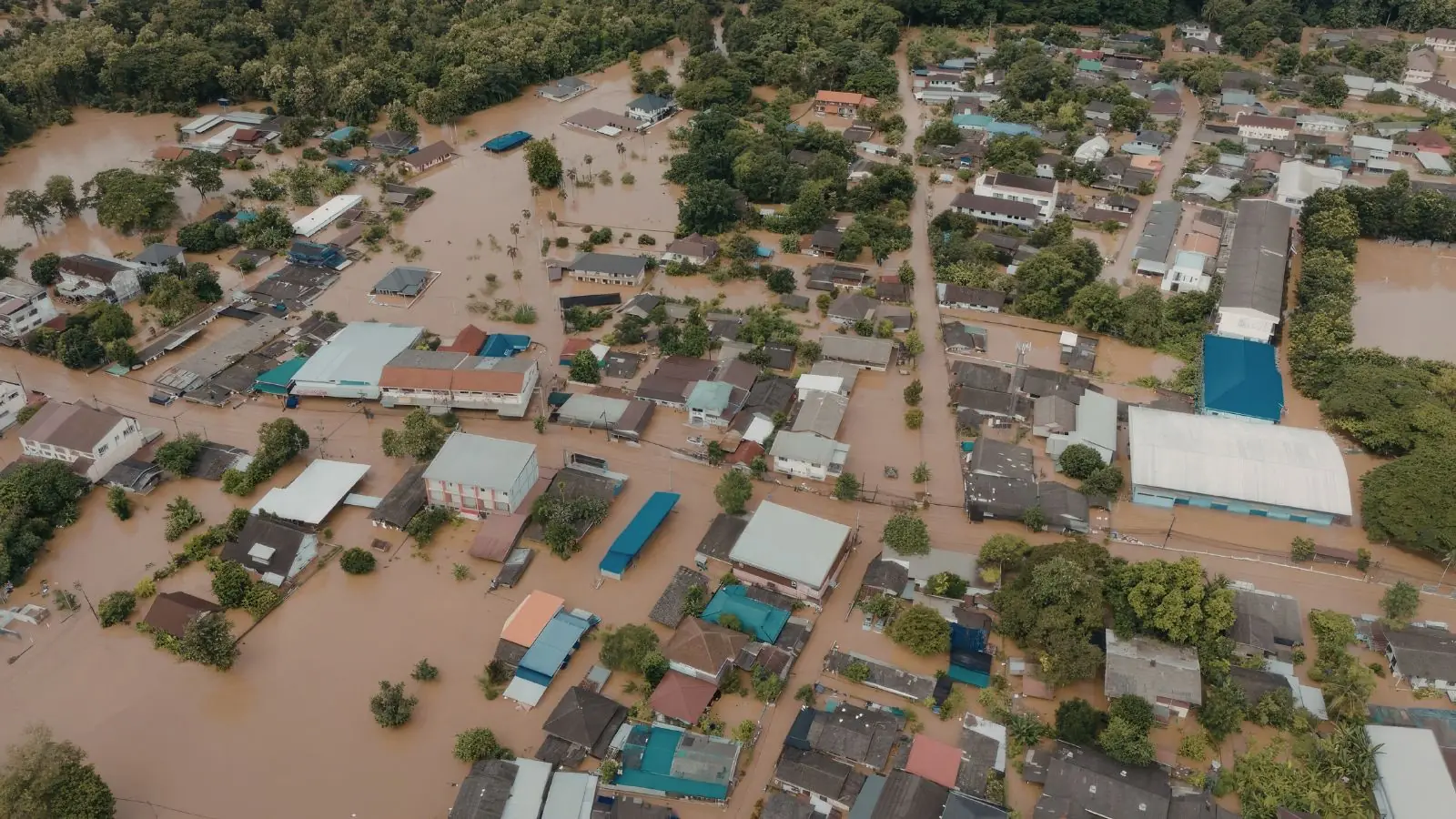
Preparing a home for storm season in Benicia, CA is mostly about water paths. Where does roof water go, where does yard water go, and where does the water inside your walls come from if something fails? A few hours of checking before a storm can prevent a lot of cleanup. This guide gives a practical checklist.
The checklist is general and applies in Benicia and the surrounding area. It does not claim how severe any season will be.
Start with the roof and gutters
Look for missing or lifted shingles, cracked flashing around vents and chimneys, and clogged gutters. A gutter full of debris pushes water over the edge and down walls. Clear gutters and downspouts and make sure they discharge away from the foundation.
Check the attic after rain if you can. Stains on the underside of the roof deck, wet insulation or a damp smell mean water is getting in. A roofer repairs the roof, and the water that already got in is a cleanup matter, as the ceiling water damage repair page explains.
Look at where the yard water goes
Walk the property during or after rain. Does water pool near the foundation? Does it flow toward a door or a window well? Grading, downspout extensions and drains decide that. Clear leaves from storm drains in front of your property if it is safe, and report blocked public drains to the city.
Know your shutoffs and your electrical panel
Find your main water shutoff and make sure everyone in the house knows where it is. Find the electrical panel and know where the main breaker is. If water enters the house, those two locations are the first stops. Keep a flashlight and a phone charger together.
| Area | What to check | Why |
|---|---|---|
| Roof | Shingles, flashing, vents | Entry point for wind-driven rain |
| Gutters and downspouts | Debris, discharge point | Overflow soaks walls and foundation |
| Yard grading | Water pooling toward the house | Pushes water to doors and lower walls |
| Windows and doors | Seals, sills | Wind-driven rain leaks |
| Main water and power | Location and access | Fast shutoff reduces damage |
Protect belongings and documents
Move items off basement and garage floors, store documents in sealed bags and photograph your home and valuables. A set of photos of each room before a storm helps if you need to document a loss later. Check your insurance policy and know whether you have flood coverage, because standard policies often exclude flood.
If you have a sump pump, test it. A battery backup is something to discuss with a plumber. If water gets in despite preparation, see basement water damage cleanup for what to do.
What to do during and after a storm
- Stay away from downed power lines and flooded streets
- Do not enter flood water near electricity
- Photograph any water that gets inside and the places it entered
- Shut off the water or power only if it is safe
- Call the 24/7 line if water is inside
Wait for safe conditions before inspecting the roof. Water inside can wait a few hours for safety, but not days.
A one-hour pre-storm routine
- Clear leaves from gutters, downspouts and the nearest storm drain.
- Check that downspouts discharge several feet from the foundation.
- Walk the yard and move anything that blocks water flow.
- Put a flashlight, a phone charger and your insurance contacts in one place.
- Move valuables and documents off low floors.
- Photograph each room and the exterior for your records.
Doing this before the first heavy rain is easier than during it. Repeat it after a long dry spell, because leaves and debris accumulate.
If your home has a garage, crawl space or basement
Low areas collect water first. Move stored items off the floor onto shelves or pallets, check the vents and access panels and test the sump pump if you have one. If your crawl space has a vapor barrier, make sure it is in place and not torn. If water does get in, extraction and drying should start as soon as it is safe to enter.
Benicia note: the marina and East Benicia streets
A city climate vulnerability report, as covered by the Benicia Herald, singled out the Benicia Marina for flooding history and poor drainage. It also said East Second Street at East B Street and East Fifth Street already flood, and it flagged Portside Village, Rancho Benicia and Fitzgerald Field for flooding risk by the end of the century.
The report is a planning document, not a forecast for your address. For storm preparation it is a reminder that drainage is a local issue, so check how water leaves your property and where nearby streets drain. East Benicia has more on that area.
Source type: News coverage of a city climate vulnerability report
If water has already entered a home in the neighboring city, Vallejo explains how that area is served.
Common questions
Where do I report a blocked storm drain in Benicia?
Contact the city's public works department. Do not reach into a drain yourself.
Does my homeowners policy cover storm water?
Wind and rain damage is often covered when it is sudden, while flood is often excluded. Check your policy.
Should I sandbag?
Sandbags can redirect shallow water. They do not stop a major flood. Check with the city for guidance.
Is a sump pump enough?
It helps where a basement exists, but pumps can fail. Test yours and ask a plumber about backup.
What if my street floods?
Do not drive through it. Report it to the city and protect belongings inside.