
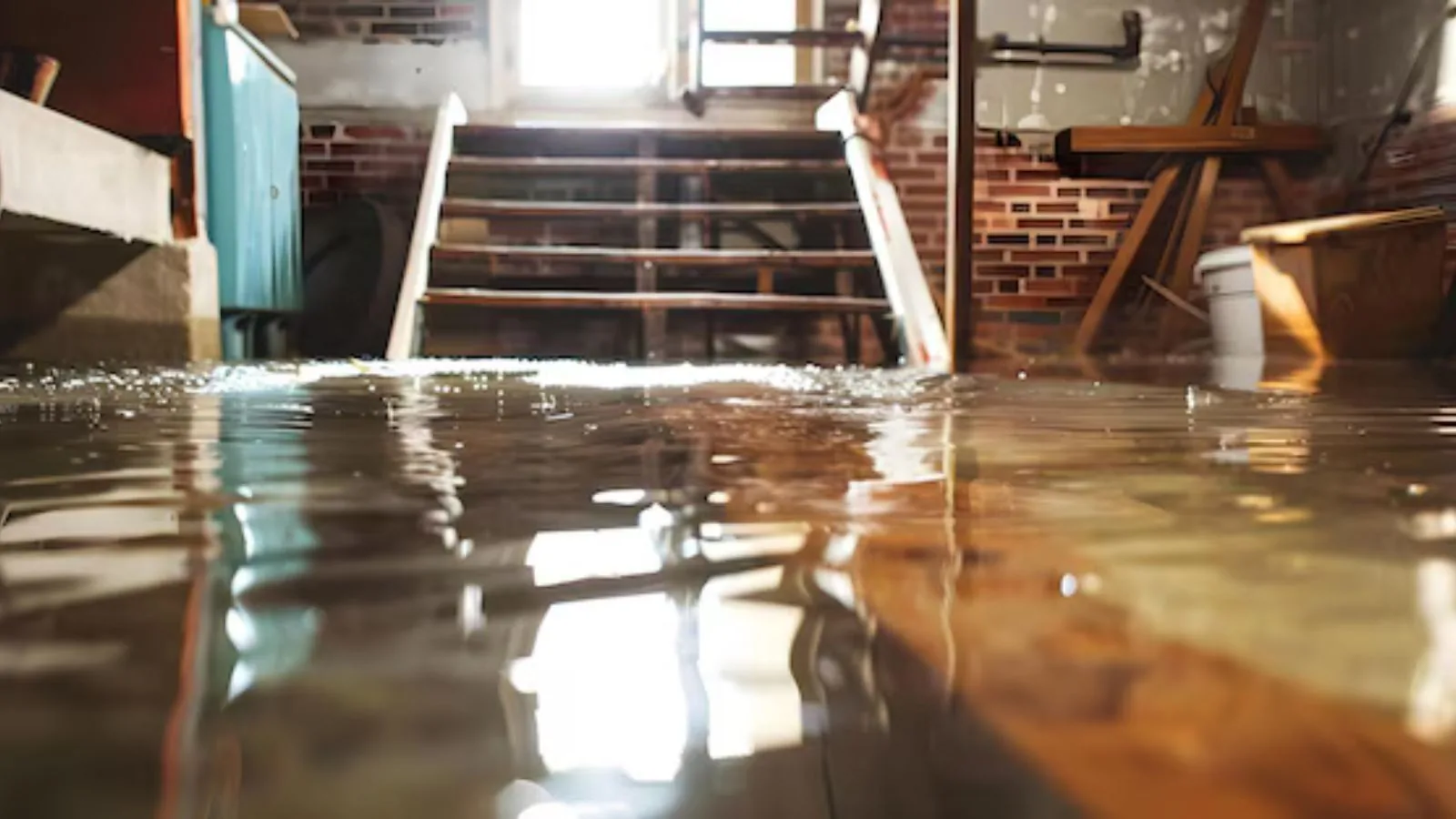
Telling old from new water damage matters in Benicia, CA because the answer affects the repair plan and often a claim. Recent damage tends to be wet, soft and spreading. Long-term damage tends to be stained, brittle or warped and may be dry on the surface. This guide lists the signs and the limits of guessing from a distance.
Nobody can date damage from a photograph alone. A moisture meter, a thermal camera and a look inside the wall give a much better answer, and a plumber or inspector can add the cause.
Signs of recent water damage
- Wet or damp materials that read high on a moisture meter
- Fresh stains with darker centers and soft edges
- Dripping, pooling or active leaks
- Swollen drywall and baseboards that feel soft
- Paint just beginning to bubble or peel
Recent damage is urgent, because the first day or two decide how far it spreads. If you see these signs, stop the source if you can and start drying.
Signs of long-term water damage
- Brown or yellow rings in layers, which can show repeated wetting
- Warped, cupped or buckled flooring that is now dry
- Crumbling drywall or plaster
- Soft, darkened wood framing
- Rust on fasteners, pipes or appliance bases
- A persistent musty smell with no visible wet spot
Long-term damage is not always a safe sign. A dry stain can mean the leak stopped, or it can mean the leak comes and goes. Check it with a meter after rain and after using the fixture above it.
| Sign | Often means | What to do |
|---|---|---|
| Wet and soft | Recent or active leak | Stop source, start drying |
| Dry stain with rings | Repeated wetting over time | Find the source and test again |
| Warped floor, dry | Past moisture event | Check subfloor and underside |
| Rust on fasteners | Long exposure | Inspect framing and plumbing |
| Musty smell, nothing visible | Hidden moisture | Moisture mapping |
Why the difference matters for a claim
Insurers often treat sudden damage differently from gradual damage. A policy may cover a pipe that burst and exclude seepage over months. That is why photos, readings, plumber reports and repair records matter. They help show what happened and when. This guide does not say how any claim will be decided.
If you are weighing a claim, see burst pipe water damage cleanup for sudden events and slab leak water damage for a leak that can run unseen for a long time.
What to do when you cannot tell
- Photograph the damage with the date.
- Use a moisture meter, or ask a crew to, to see if it is wet now.
- Check nearby fixtures, the roof and the plumbing above.
- Ask a plumber or roofer to confirm the source.
- Keep all records together.
Open questions are better answered with measurements than with arguments. A wall that reads wet today is active, whatever its stains suggest.
Tools that help tell the difference
A pin or pinless moisture meter shows whether a material is wet now. A thermal camera shows temperature differences that often track moisture, such as a cool patch on a ceiling. Neither tool tells you the date of a leak, but together they separate active moisture from an old stain, which matters for what you do next.
A plumber can pressure test lines and look for active leaks. A roofer can check flashing, vents and shingles. Inspectors may take photos and notes that help document the condition at a point in time. If you suspect a long-running problem, ask for the findings in writing.
Keep a timeline
Write down when you first noticed the stain, when it changed and any repairs done in the area. Keep invoices and photos. A simple timeline can help a plumber, an inspector and an insurer understand the history without guessing.
When old damage still needs action
Old damage that is dry may not need emergency work, but it still deserves a look. Stained drywall can be patched and painted once the source is fixed. Soft or crumbling framing needs a contractor to assess it. A floor that stays warped may need to be replaced when the subfloor is checked. The question is always whether the cause is still active.
Written findings are stronger when they cite a standard. For water damage that standard is ANSI/IICRC S500, and for contractor licenses it is the state board.
Benicia note: age of the building matters for reading damage
Benicia's downtown commercial core was built mostly between 1879 and 1913, and many homes elsewhere in the city date from later decades. A building that has been repaired in layers can show old stains that have nothing to do with a new leak.
That is a reason to compare readings with unaffected areas of the same building and not to judge by stains alone. Downtown Benicia has more on how older buildings are assessed.
Source type: City historic district information
The same checks work in a Vallejo home and in a Benicia house in East Benicia.
Common questions
Can a restoration company date water damage?
It can measure moisture now and describe what it sees. Dating an old event precisely is not usually possible.
Does a dry stain mean the leak is fixed?
Not necessarily. It may be intermittent. Test after use and after rain.
Is brown staining always old?
It can form quickly or slowly. Readings and the source tell more than color.
Should I paint over a stain?
Not before the source is found and the area is dry. Paint hides the stain and not the cause.
Who can confirm the cause?
A plumber, roofer or inspector, depending on where the water came from.
Not sure if it is still wet?
Call the 24/7 line. Readings show what is wet today.
☎ Call (833) 521-1033