
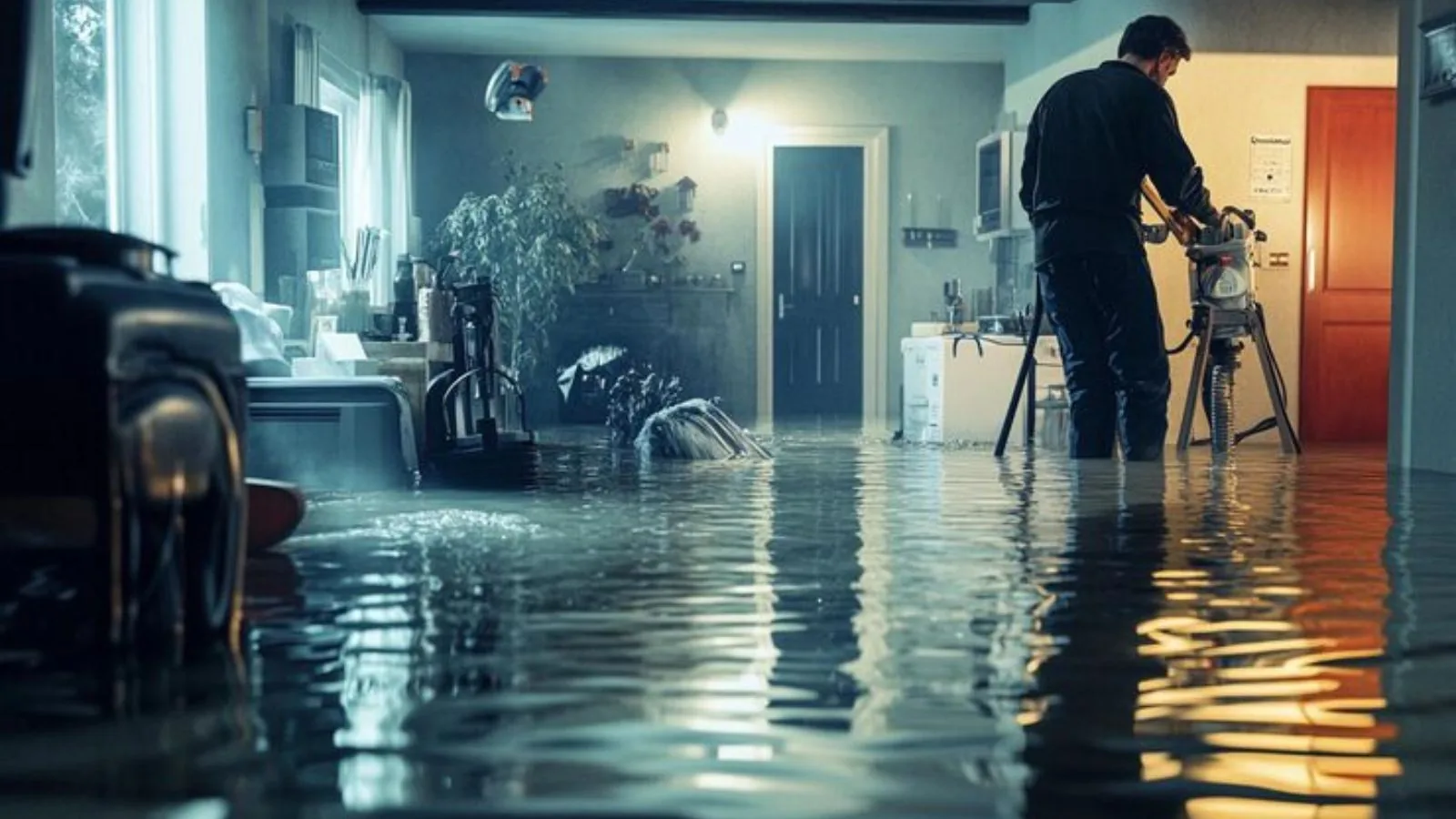
Choosing a water damage restoration company in Benicia, CA happens fast, usually in the middle of a bad day. A few questions can tell you a lot. Ask about licensing, the standard the crew follows, how scope and price are explained, and what documentation you get. This guide gives you those questions and the answers to look for.
The goal is not to find the loudest promise. It is to find the company that explains the work clearly and does not claim more than it can prove.
Ask about licensing and insurance first
California requires a contractor license for most jobs of $1,000 or more in labor and materials, according to the Contractors State License Board. Ask for the license number and check it with the board. Ask whether the company is insured, and ask for proof if you want it. The words licensed and insured are easy to write and worth confirming.
Be careful with anyone who will not give a license number for a job that clearly exceeds the threshold. Water damage work often passes that amount quickly once drying and rebuild are included.
Ask which standard the crew follows
ANSI/IICRC S500 is the published standard for professional water damage restoration. It describes water categories, drying goals and documentation. You can ask whether the crew works to it. Be wary of answers that name a certification the company cannot show, and ask for details when a certificate is claimed.
Ask how scope and price are explained
A good company explains what the job involves and what drives the cost before work begins. Water category, area wet, materials, drying days and rebuild scope are the usual drivers. Ask for the scope in writing and ask what is included and what is not. Vague answers and pressure to sign right away are warning signs.
| Question to ask | A good answer sounds like | A warning sign |
|---|---|---|
| Are you licensed for this job? | A license number you can check | No number or vague answer |
| What standard do you follow? | ANSI/IICRC S500, with explanation | No standard named |
| How is the price set? | Explains factors before work starts | Flat price before seeing it |
| What do I get in writing? | Scope, readings and equipment list | Nothing in writing |
| What do you not do? | Names limits, such as roof or plumbing | Claims to do everything |
Ask what the crew will not do
Honest limits are a good sign. A restoration crew does not repair roofs, replace plumbing or waterproof foundations. A company that says so is easier to trust than one that offers to do everything. If you need a plumber or a roofer, ask for a referral and verify that person's license too.
Ask about documentation and insurance
Ask what records you will get: moisture readings, photos and a written scope. They help with an insurance claim. Do not accept promises about claim outcomes. Your policy and your insurer decide, and no contractor controls that.
If you are comparing options for an urgent job, start by describing the water to the line and ask the five questions above. Many of the services are explained on this site, for example flood damage cleanup and burst pipe water damage cleanup.
Red flags worth taking seriously
- A promise of a specific price before anyone has seen the water
- Pressure to sign a contract on the spot
- A refusal to put the scope in writing
- Claims that the company will handle your insurance outcome
- No answer when you ask which standard the crew follows
- A demand for the full amount upfront
Any one of these deserves a follow-up question. Several together are a reason to call someone else. A company that welcomes questions and explains its limits is behaving the way a reliable one does.
A simple way to compare
Ask each company the same five questions and write down the answers. Compare the scopes, the equipment counts and what is included. Check the license with the state board. If you must decide quickly, start the water removal with the company that answers clearly and keep comparing while the work protects the structure.
Benicia note: permits and the floodplain administrator
Benicia's municipal code has a Flood Damage Prevention chapter. It says the city's area of special flood hazard is based on a FEMA Flood Insurance Study dated August 3, 2016, and it names a floodplain administrator who interprets the chapter. It also treats damage as substantial when restoration costs equal or exceed 50 percent of a structure's assessed value.
For choosing a company, that gives you a local question to ask: does the contractor know when a Benicia repair needs city review, and will it work with the building department? A company that has no idea is a company to question further.
Source type: Municipal code, Benicia Flood Damage Prevention chapter
If your home or business is in the next city over, the same questions apply in Vallejo, and for an older building downtown, downtown Benicia explains why materials matter.
Common questions
How do I check a contractor's license for a Benicia job?
Use the California Contractors State License Board website and enter the license number. Check that it is active and fits the work.
Should I get more than one opinion?
If time allows, yes. With active water, start the stop-and-dry steps first and compare while it works.
Is the cheapest option the safest?
Not necessarily. Ask what is included, and compare scopes rather than totals.
What if the company asks for a large deposit?
Ask why and what it covers. Get it in writing and verify the license.
Do I have to use the company my insurer suggests?
Ask your insurer what its rules are. You generally choose who works on your property, but your policy may have conditions.